KNX and Other Protocols: Why Choose KNX for Building Automation (Comprehensive Guide for Engineers)
March 20th, 2025
No Comments
Table of Contents
What is the KNX Protocol and Why is it Important in Building Automation?
What is the KNX Protocol and Why is it Important in Building Automation? The KNX protocol is an open standard that enables devices from different manufacturers to communicate with each other in building automation systems. Its most important feature is that it can manage various building functions such as lighting, heating, ventilation, security, energy management in an integrated manner over a single system. This integration increases energy efficiency, reduces operating costs and maximizes user comfort. Thanks to the KNX standard, devices of different makes and models can operate on a single network without compatibility issues, which significantly increases system flexibility and scalability.
For KNX for B2B, contractors, engineers, engineers, knx system integrators, this offers the possibility to select a wider range of products for projects and to customize systems according to the specific needs of the customer. The importance of KNX in building automation lies in the centralized control and monitoring possibilities it offers. The ability to manage all building functions from a single point shortens fault detection and response times and increases system reliability. Furthermore, with the ability to monitor and analyze energy consumption in real time, strategies to improve energy efficiency can be developed and implemented. KNX can be used in a wide range of applications from smart home systems to large commercial buildings and offers sustainable and efficient solutions in building automation projects.
These capabilities make KNX one of the leading protocols in the building automation industry.
Basic Components and Working Principle of KNX Protocol (Detailed Description)
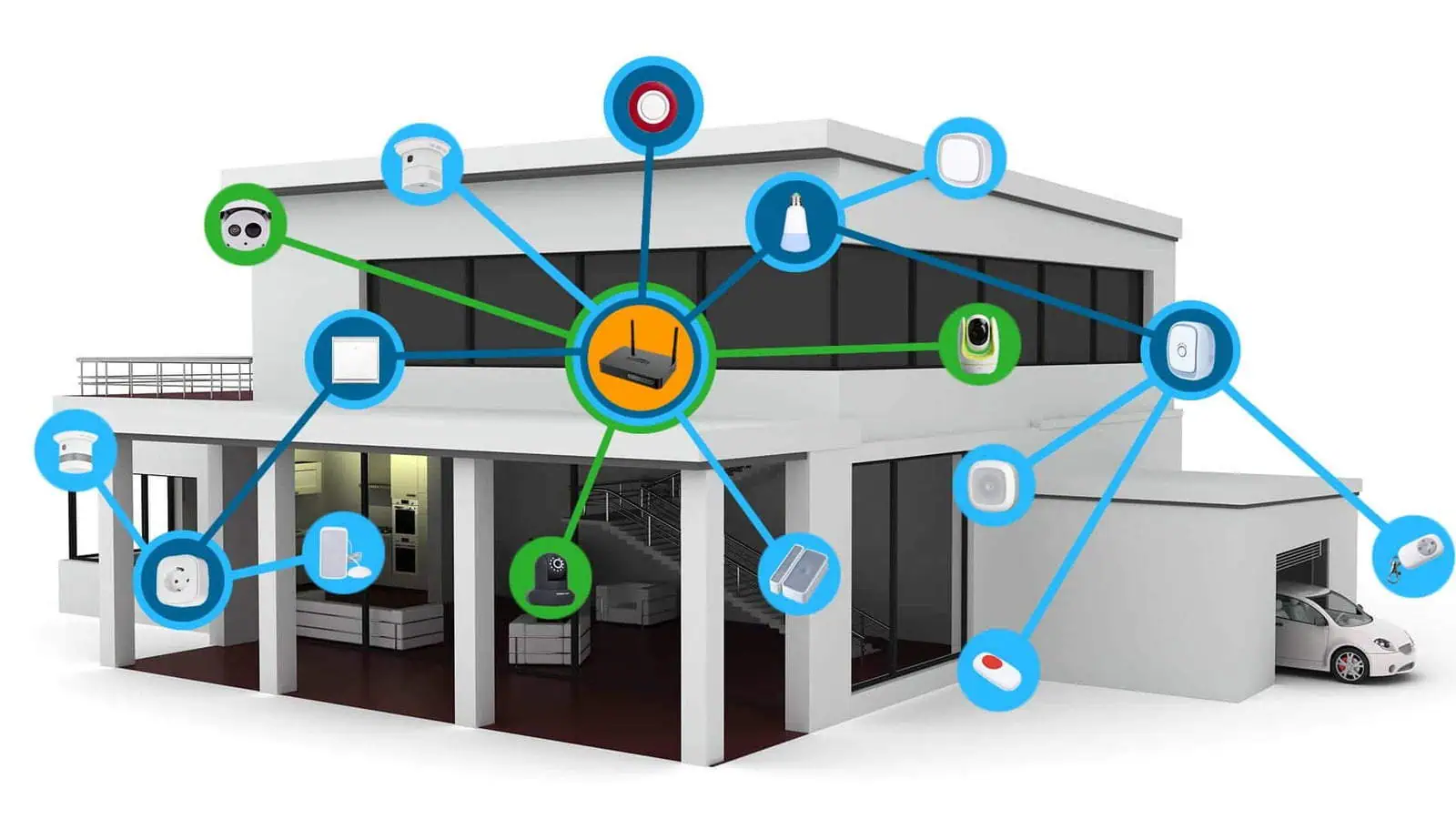
Basic Components and Working Principle of the KNX Protocol (Detailed Description) The basic components of the KNX protocol are sensors, actuators and a communication medium that forms the backbone of the system. Sensors (e.g. temperature, light, motion sensors) collect environmental data and transmit this data to actuators via the KNX bus. Actuators (e.g. lighting switches, motorized valves, blinds) act on the information from the sensors to control systems within the building. The KNX protocol supports different communication media, including Twisted Pair (TP), Power Line (PL), Radio Frequency (RF) and IP. This diversity provides flexibility in different building types and application scenarios. The operating principle of KNX is based on the concept of distributed intelligence.
Each device contains its own processor and memory and has its own decision-making capability. This eliminates the need for a central control unit and makes the system more resilient to failures. The devices communicate with each other via the KNX bus and react to specific events or commands. Integration with other protocols such as KNX bacnet or knx modbus enables more comprehensive control of building management systems (BMS). For example, KNX lighting systems can be integrated with a BACnet-based HVAC system to optimize energy efficiency throughout the building.
The positive effects of using the KNX standard on energy efficiency and system integration make KNX increasingly popular in today's building automation projects.
KNX Standard: Advantages, Features and International Compatibility
KNX Standard: Advantages, Features and International Compatibility KNX is the global standard for building automation and is an ideal solution for engineers, contractors and system integrators thanks to its flexibility, interoperability and reliability. The key advantage is that different devices and systems, regardless of manufacturer, can communicate seamlessly on a single infrastructure. This provides great freedom in system design and expansion. Key features of KNX include distributed intelligence, open protocol, support for various media (TP, RF, IP, Powerline) and configuration tools (ETS). Distributed intelligence increases the overall reliability of the system by minimizing the impact of system failures.
The open protocol guarantees that KNX-compliant devices from different manufacturers work in harmony with each other. KNX is also compliant with EN 50090 and ISO/IEC 14543 standards, making it internationally recognized and widespread. For example, with the KNX/IP protocol, you can easily integrate the KNX system over your existing network infrastructure. Thanks to these features, KNX for B2B, contractor, engineers, knx system integrators enables you to offer long-term, scalable and sustainable solutions in your projects. The international compatibility of the KNX protocol makes it easy to use the same standard in projects in different countries, which reduces logistics and training costs.
The integration capabilities of KNX will be discussed in more detail in [KNX and Modbus Integration: Bringing Different Protocols Together](inner-link-here).
KNX Certification and Quality Standards: How to Find Authorized KNX Integrators?
KNX Certification and Quality Standards: How to Find Authorized KNX Integrators Finding an authorized KNX integrator is critical to a successful KNX system installation. Certification programs offered by the KNX Association guarantee that integrators have a certain level of knowledge and skills. These certifications include a comprehensive training and examination process covering theoretical knowledge, practical application and problem solving skills. The most reliable way to find authorized KNX integrators is to use the list of certified partners on the official website of the KNX Association. This list includes details such as location, specialization and contact information. When choosing an integrator, it is important to carefully evaluate its reference projects, experience and the services it offers.
For example, an integrator specialized in energy management can help you optimize the energy efficiency of your buildings. The KNX standard offers solutions compatible with different protocols such as KNX BACnet, KNX Modbus, so the integrator's know-how in these areas is also important. A certified KNX expert, [KNX System Integration: Application Areas, Costs and Considerations](internal-link-here) will guide you through the installation and configuration of complex systems. Working with a certified integrator to achieve reliable and efficient solutions for your smart home and building automation projects using the KNX protocol is a long-term investment.
KNX vs. BACnet: Comparative Analysis in Building Management Systems
KNX vs. BACnet: Comparative Analysis in Building Management Systems KNX and BACnet are two important protocols widely used in building automation systems, but with different architectural approaches and advantages. The main difference is that KNX has a distributed system architecture, allowing each device to have its own intelligence. This means that the system has no single point of failure. BACnet, on the other hand, is usually based on a more centralized control system and can be suitable for larger, more complex buildings. KNX is a better option for projects that are more flexible, more reliable and prioritize energy efficiency.
Especially in residential projects and medium-sized commercial buildings, KNX's ease of installation and long-lasting performance is preferred. [KNX System Integration: Application Areas, Costs and Considerations], you can examine application examples in more detail. The KNX protocol is supported by a wide range of manufacturers, ensuring compatibility between different devices. This open standard offers long-term investment protection. On the other hand, some implementations of BACnet may have compatibility issues. KNX facilitates compliance with energy efficiency standards and gives occupants better control. Especially for B2B, contractors, engineers, engineers, knx system integrators, KNX is a more advantageous solution in terms of cost effectiveness and flexibility.
Weaknesses of the BACnet Protocol: Reliability and Flexibility Advantages of KNX
Weaknesses of the BACnet Protocol: Reliability and Flexibility Advantages of KNX Some weaknesses of the BACnet protocol make the reliability and flexibility advantages of KNX even more pronounced. The most important weakness is that BACnet systems are often more complex and difficult to configure. This can increase installation costs and require specialized personnel to maintain the system. KNX has a simpler installation process and generally requires less expertise, which provides a cost advantage, especially in medium-sized projects. Another important point is that some implementations of BACnet may have cyber security vulnerabilities. KNX places more emphasis on security and prevents unauthorized access with features such as encryption.
Cybersecurity is critical for building automation systems, especially in today's world of IoT (Internet of Things) devices. The KNX standard offers stronger protection in this regard. Furthermore, KNX is easy to integrate with other protocols such as Modbus, which increases compatibility with existing systems and supports future expansion possibilities. This is especially important for knx for B2B, contractor, engineers, knx system integrators, because they are looking for a system that they can integrate with their existing infrastructure.
KNX and Modbus Integration: Bringing Different Protocols Together
KNX and Modbus Integration: Bringing Different Protocols Together KNX and Modbus integration is the key to incorporating existing industrial systems and devices into KNX-based building automation systems. This integration transfers the data points of Modbus devices to the KNX network, enabling more comprehensive control and monitoring. The main goal is to increase the efficiency and flexibility of building management systems by combining different communication protocols on a single platform. The KNX protocol acts as a universal language at this point, allowing different systems to work together. This integration allows existing facilities in particular to benefit from the advanced control and automation features offered by KNX while protecting investment.
KNX Modbus integration is usually realized through a KNX/Modbus gateway. This gateway converts Modbus RTU/ASCII or Modbus TCP/IP protocols to KNX TP (Twisted Pair), KNX RF (Radio Frequency) or KNX IP (Internet Protocol) protocols. The gateway maps data from Modbus devices to KNX data points and transmits commands from the KNX system to Modbus devices. In this way, Modbus devices such as lighting, heating, ventilation and air conditioning (HVAC) systems can be centrally controlled and monitored via KNX. This integration provides a great advantage especially for B2B, contractors, engineers, engineers, knx system integrators in modernizing existing facilities.
Migrating from Modbus to KNX: How to Make Existing Systems Compatible with KNX
Migrating from Modbus to KNX: How to Make Existing Systems Compatible with KNX Migrating from Modbus to KNX involves bringing existing Modbus-based systems into compliance with the KNX standard. This process first requires a detailed analysis of existing Modbus devices and data points. Next, a KNX/Modbus gateway is selected to match the requirements of the KNX system. The selected gateway must correctly map the data points of the Modbus devices to the KNX data points. This mapping is critical so that the KNX system can correctly interpret data from Modbus devices and send the correct commands to Modbus devices. During the implementation phase, the gateway must be configured and programmed.
This configuration involves introducing the addresses, data types and communication parameters of Modbus devices to the KNX system. Using the KNX ETS (Engineering Tool Software) software, data points in the KNX system are identified and associated with Modbus devices. This process can be accomplished very easily due to the flexibility of the KNX. During the migration process, the existing Modbus cabling can be largely retained, saving costs and time. This makes KNX the preferred solution for both new installations and upgrades of existing systems. Similar to KNX bacnet integration, KNX modbus integration increases system interoperability.
KNX System Integration: Application Areas, Costs and Considerations
KNX System Integration: Application Areas, Costs and Considerations KNX system integration is critical for increasing versatility and control in building automation projects. Integration allows you to combine lighting, heating, ventilation, security systems and more on a single platform. The most important thing to consider is proper planning and project management; otherwise, costs can skyrocket and system performance can suffer. Especially considering knx for B2B, contractors, engineers, knx system integrators, clarifying project requirements from the beginning, choosing the right product and working with expert integrators are essential for success.
KNX systems have a wide range of applications: from residential buildings to office buildings, from industrial plants to public buildings. Costs vary according to the size of the project, the devices selected and the complexity of integration. For example, the cost of a simple lighting control system is much lower than a complex solution that integrates all the systems of a multi-storey building. Therefore, it is important to conduct a detailed cost analysis and identify potential risks at the outset. Also, paying attention to knx standard compliance helps to minimize future expansion and maintenance costs. KNX systems can be integrated with other protocols such as knx bacnet and knx modbus, increasing compatibility with existing building management systems.
However, these integrations can bring additional cost and complexity. Therefore, integration requirements and benefits should be carefully evaluated. Incorrect integrations can lead to system incompatibilities and performance issues. At this point, the advantage of using products from different manufacturers together thanks to the flexible structure of KNX should also be taken into consideration. This advantage can be maximized with the right project design and expert integrator support. [Internal Link: KNX and Modbus Integration: Bringing Different Protocols Together]
KNX Project Management: Tips and Best Practices for a Successful KNX Integration Project
KNX Project Management: Tips and Best Practices for a Successful KNX Integration Project The most important factor for a successful KNX integration project is thorough planning and project management. Clearly defining the project requirements, selecting the right KNX devices, designing an appropriate topology and working with a competent team of integrators directly affect project success. In the project management process, it is critical to follow the progress by holding regular meetings, identify potential problems early and find solutions. At the beginning of the project, analyze the building requirements and user expectations in detail. Create a clear vision of how lighting, heating, ventilation, security and other systems will be integrated.
This vision will be your guide throughout the project. While it is possible to combine different systems on a single platform thanks to the flexibility provided by the KNX protocol, keep in mind that each system may have its own unique requirements. Correct configuration and programming of KNX devices is of utmost importance during the integration process. Incorrect configurations can lead to system errors and performance issues. Therefore, it is important to work with a team of integrators who can effectively use ETS (Engineering Tool Software) and are familiar with KNX standards. At the end of the project, thorough testing of the system and training of users ensures that the system runs smoothly.
Post-project support and maintenance services are also a factor that should not be overlooked for long-term success. [Internal Link: KNX Standard: Advantages, Features and International Compatibility]
Frequently Asked Questions
Between KNX, BACnet, Modbus and other building automation protocols, why should I as a system integrator choose KNX, especially in large-scale commercial projects? What advantages does the guide ‘KNX and Other Protocols: Why Choose KNX for Building Automation’ guide offers what advantages in this regard?
KNX offers higher flexibility, scalability and interoperability in large-scale commercial projects compared to other protocols. Offering a wide range of products from independent manufacturers enables cost optimization and supply chain diversity. It does not require a centralized control system (distributed intelligence), eliminating a single point of failure and increasing system reliability. Furthermore, the KNX's compliance with the EN 50090 standard guarantees future compatibility and longevity. This guide aims to facilitate your decision-making process by detailing these advantages with concrete examples and case studies.
How to integrate the KNX protocol with common industrial automation protocols such as Modbus, BACnet, etc. and what practical solutions does ‘KNX and Other Protocols: Why Choose KNX for Building Automation’ offers practical solutions for my B2B customers in these integration processes?
Integration with other protocols, such as KNX, Modbus and BACnet, is usually achieved through interfaces (gateways). These interfaces translate data from different protocols into a format that the KNX understands, enabling seamless communication. For example, you can incorporate an HVAC system using the Modbus RTU/TCP protocol into the KNX network via a KNX/Modbus gateway. Integration with BACnet is usually realized using BACnet/IP gateways. ‘KNX and Other Protocols: Why Choose KNX for Building Automation’ helps your B2B customers easily integrate their existing systems with KNX by providing installation guides and configuration examples that explain these integration scenarios step by step.
As the world becomes increasingly interconnected, the demand for smart homes and building automation systems continues to grow. KNX devices are an excellent choice for smart home and building automation systems and...
Redefine Building Control with KNX Touch Panels KNX touch panels simplify control in building automation and offer professionals superior management. For integrators and engineers, these panels are the ideal solution for both...
What is the KNX System and How Does It Work? The KNX system is a globally recognized technology that provides a standardized solution for engineers, integrators and contractors in the field of building automation. Designed as an open protocol...
KNX lighting control systems are a powerful solution for engineers, integrators and contractors to optimize lighting management in building automation. The KNX lighting system stands out with flexible control and energy efficiency. Lighting
Introduction to KNX: Fundamentals of KNX in Smart Home and Building Automation Introduction to KNX: The Basics of KNX in Smart Home and Building Automation KNX is the global standard in smart home and building automation, and is the leading...
Are you looking for a reliable and intuitive way to automate your home or business? KNX touch panels are for you! With a wide range of products available on the market, you are sure to find the touch panel that best suits your needs.
Smart Home Products Creating the connected home of your dreams has never been easier. Discover the Schneider Electric and ABB KNX smart home system, a one-stop solution for truly smart homes. Renovation and...
Introduction: In the rapidly evolving world of smart home technologies, KNX system integrators play an important role by bringing together different technologies and systems to create seamless and smart living spaces. In this paper,...
A New Era in Building Automation with Schneider KNX Schneider KNX systems take energy efficiency and control to the next level in modern buildings. Designed for integrators and engineers, these solutions are ideal for complex projects.
Introduction: Building automation is becoming increasingly popular. These systems make our lives easier, with the ability to make homes and buildings more comfortable, safe and energy efficient. KNX programming, used worldwide...
If you are a system integrator looking for a robust solution to transform building management, Schneider Electric's EcoStruxure™ Building SmartX AS-P Server is an ideal option for you. This advanced BMS controller is ideal for commercial and industrial buildings.
KNX technology gives you the power to create smart and automated homes. But what happens when you want to give homeowners remote access or control capabilities while they are away? This guide explains how KNX...
Especially for the office sector, the “smart lighting” system is considered as an important opportunity to reduce costs, save energy, reduce carbon emissions and gain green building certification. Office owner, manager or...
The smart home landscape continues to evolve rapidly, with new technologies and standards emerging each year. Based on insights from experienced home automation enthusiasts, here's a comprehensive guide on how...
Understanding Building Automation Systems The MTN6725-0004 KNX-DALI Gateway serves as a critical bridge in modern building automation. So, why are building automation systems so important? The main purpose of these systems is to provide energy efficiency,...
KNX technology goes beyond individual device control. Scenarios allow you to create pre-programmed sequences that automate multiple KNX devices, making your smart home projects not only convenient, but truly immersive.
In recent years, the concept of “smart home systems” has gained significant traction in the Middle East, particularly in the United Arab Emirates and Saudi Arabia. As these countries continue to embrace technological advancements, homeowners and businesses...
What are ABB KNX Systems and How Do They Work? ABB KNX systems are an innovative solution in building automation for engineers and integrators. The system integrates functions such as lighting, air conditioning and energy management on a single platform.
As the demand for smart homes and building automation systems continues to grow, so does the need for intuitive and easy-to-use controllers. In this blog post, KNX explains the essential features of building automation systems...
Smart homes are revolutionizing our lives, offering convenience, comfort and efficiency. But with so many smart devices and platforms out there, achieving true interoperability can take time. And that's exactly where...
Address: İçerenköy Mahallesi, Değirmenyolu Caddesi, Kutay Business Center, B Blok Ataşehir, Istanbul, Turkey
Teorem Enerji has established itself as a frontrunner in the smart home automation industry since its inception in 2010. As the first e-commerce company in Turkey and the Middle East and North Africa (MENA) region to focus on KNX products, we have consistently delivered innovative solutions that empower individuals and businesses to embrace the future of connected living.
Our mission is to transform commerce by seamlessly integrating technology into every aspect of our operations. To better serve our customers in the Middle East and North Africa, we are expanding our services to the following countries: UAE (Dubai, Abu Dhabi,) Saudi Arabia (Jeddah, Riyadh, Al Khobar), Egypt, Qatar, Oman, Jordan, Azerbaijan, Georgia and Europe.
By offering tailored smart home automation solutions in these regions, we aim to enhance living environments and empower our customers to embrace the connected future. Our commitment to innovation and customer satisfaction remains at the core of our business as we continue to grow and evolve.












 TR
TR  EN
EN  AR
AR