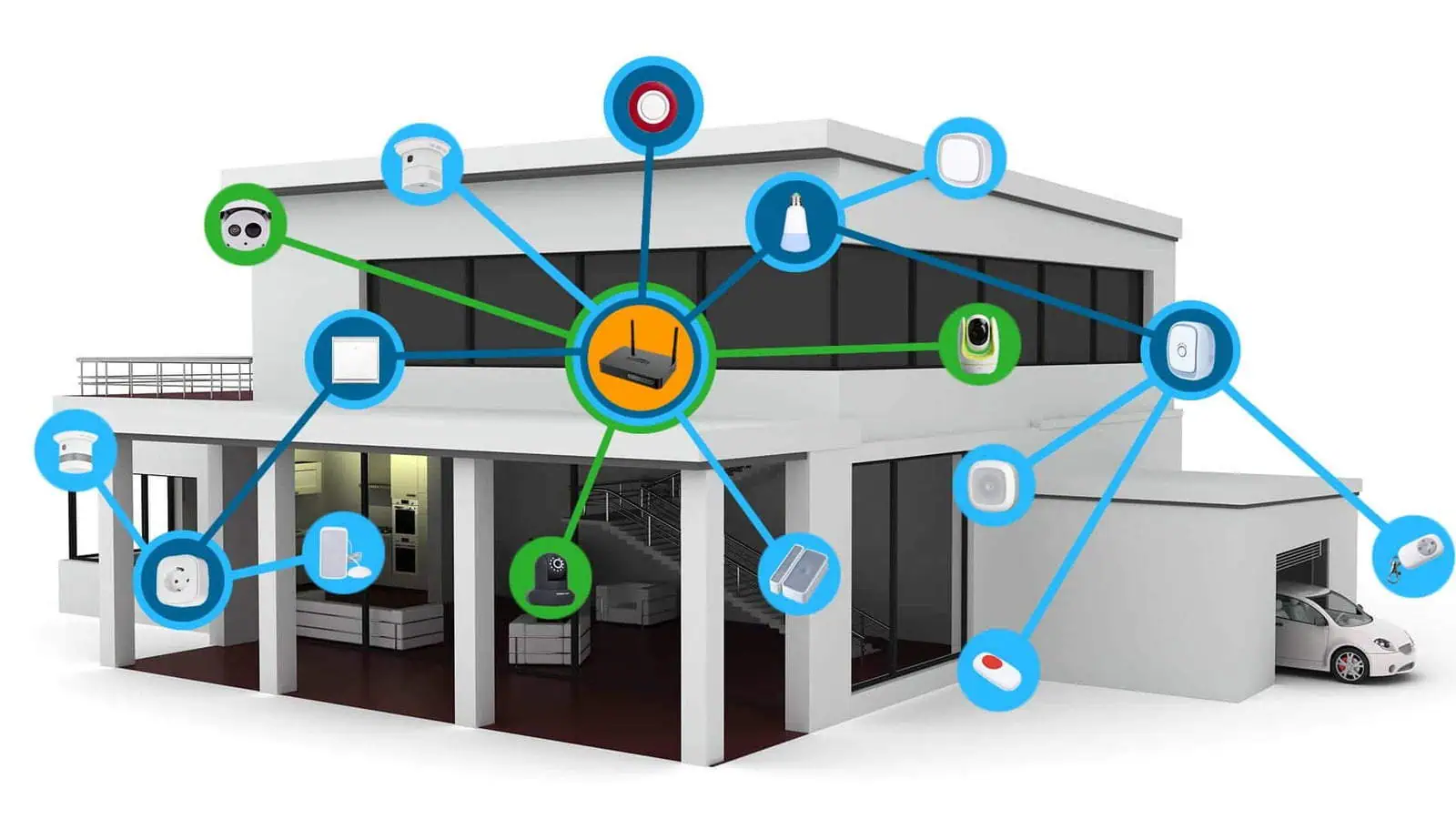
KNX technology gives you the power to create smart and automated homes. But what happens when you want to give homeowners remote access or control capabilities while they are away? This guide will explore how KNX systems seamlessly integrate with internet connectivity and offer a world of possibilities for remote smart home management.
Benefits of Remote KNX Control:
- Increased Convenience: Hosts, lighting adjust thermostats, control thermostats and manage security systems - all from a smartphone or tablet, anytime, anywhere.
- Improved Efficiency: Remote monitoring allows proactive maintenance and adjustments, optimizing energy consumption and guaranteeing optimal system performance.
- Ease of Troubleshooting: Integrators can diagnose potential problems remotely, reducing on-site visits and troubleshooting time.
Enabling Remote KNX Access:
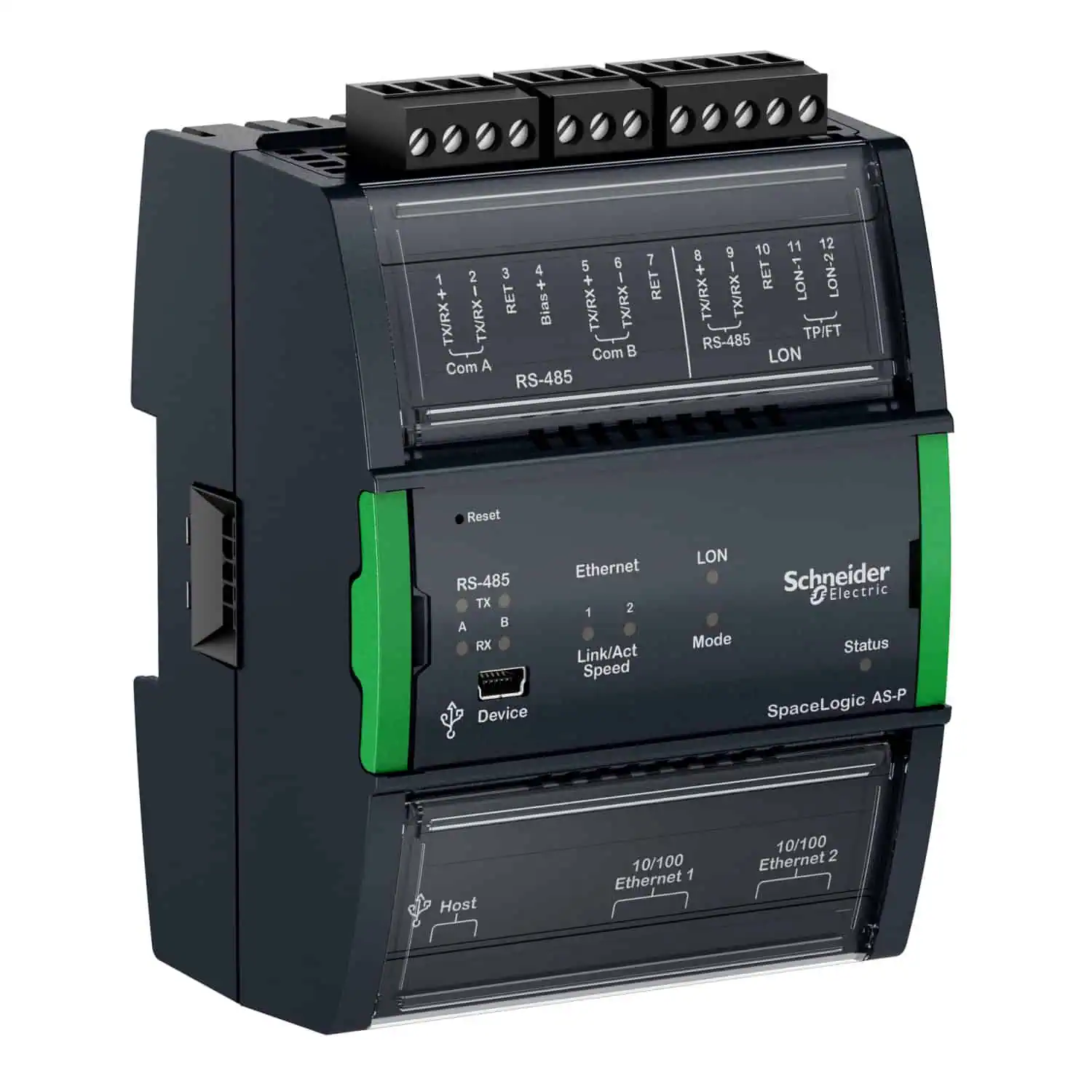
- KNX IP Gateways: They act as a bridge between your KNX network and the internet. ABB and Schneider offer reliable KNX IP gateways for seamless integration.
- Secure Communication: The KNX protocol prioritizes secure communication, thus ensuring that data transmission is encrypted and protected.
- User Friendly Apps: Homeowners can access smart home features through intuitive mobile apps provided by KNX solution manufacturers.
Topology and Required Devices
Topology, the physical layout of your KNX network, plays an important role in enabling remote access. KNX systems typically utilize a twisted-pair wired bus that connects various KNX devices. These devices may include:
- KNX Sensors: It senses changes in the environment, such as movement, temperature or light levels, and transmits the data to the KNX bus.
- KNX Actors: The KNX takes commands from the bus and translates them into real-world actions such as turning on lights, adjusting thermostats or lifting curtains.
- KNX Power Supplies: Provides stable voltage for all KNX devices in the network.
The KNX IP Gateway is strategically located within this network and is usually connected to a router with internet access. This gateway acts as a translator, converting KNX telegrams (data packets) into IP packets for communication over the internet. By integrating the KNX IP Gateway into the KNX bus and establishing a secure internet connection, you unlock the potential for remote control and monitoring of the entire KNX smart home system.
Important Considerations:
- Project Requirements: Define the specific remote control functions required for each project.
- Safety Precautions: Implement strong cyber security protocols to protect the KNX system and user privacy.
- User Training: Provide homeowners with clear instructions on how to use the mobile app and remotely manage their KNX smart home.
By leveraging KNX technology and internet connectivity, you can provide homeowners with superior control and convenience, while offering valuable remote management capabilities for a truly future-ready smart home solution.
Secure Your Remote KNX Connection with KNX Secure
Despite prioritizing secure communication through the KNX protocol itself, the KNX Association has not scenarios for the increasing need for an additional layer of security. This is where KNX Secure comes in.
Enhanced Protection for the Modern Smart Home: KNX Secure
KNX Secure, developed by the KNX Association, is a comprehensive security framework designed to protect KNX systems against unauthorized access and data manipulation. Its implementation involved years of rigorous development, taking into account the complexities of group addressing in the KNX protocol.
Key Features of KNX Secure:
- Encryption KNX Secure encrypts data transmission so that unauthorized devices cannot access and interpret information on the KNX network, even if they capture it.
- Authentication: KNX Secure verifies the legitimacy of devices trying to communicate on the network, preventing unauthorized access and potential cyber threats.
- Data Integrity: KNX Secure ensures that data transmitted within the network remains unchanged, maintaining the reliability and accuracy of control commands and sensor readings.
Benefits of KNX Secure for Remote Access:
- Comfort and Trust: Homeowners and integrators can enjoy the peace of mind of knowing that their KNX system is protected by strong security measures when accessed remotely.
- Enhanced Data Protection: KNX Secure protects user privacy and system integrity by minimizing the risk of sensitive data breaches.
- Future Ready Investment: Implementing KNX Secure ensures that your smart home system complies with the latest security standards, preparing it for future developments and potential vulnerabilities.
KNX Secure Ecosystem:
The KNX Association finalized the KNX Secure specifications and test procedures in 2019. Also, the central KNX programming software, ETS, to integrate KNX Secure functionalities. This allows integrators to seamlessly configure and implement KNX Secure features during project setup. Moreover, certified KNX Secure devices from various manufacturers are now available, ensuring compatibility and optimal security within your KNX network.
Conclusion:
By leveraging remote access capabilities and empowering your KNX system with KNX Secure, you can deliver a truly future-ready smart home solution. KNX technology empowers you to create smart and automated living spaces, while KNX Secure provides the essential layer of security for peace of mind and protection of user privacy.








 TR
TR  EN
EN  AR
AR