Smart homes and in the age of sustainable living, KNX systems stand out as the leading solution for efficient and intelligent control of buildings. As a comprehensive and standardized platform, KNX offers a wide range of applications that optimize energy use, increase occupant comfort and simplify building management. In this article, we will explore the various applications of KNX systems and highlight the benefits they bring to residential and commercial buildings. From KNX devices to programming and certification, we will examine the key elements of this transformative technology.
Lighting Control:
One of the main applications of KNX systems is lighting control. KNX actors, KNX buttons and KNX touch panels like KNX devices integrating KNX actors, users can achieve precise and customizable control over their lighting systems. KNX actors, illumination fonksiyonlarının otomasyonunu sağlar. Bu sayede ışıkların açılıp kapatılması, kısılması veya ortamın doluluk seviyesine ve ortam ışığı seviyelerine göre ayarlanması mümkün olur. KNX programlama aracılığıyla, iyi aydınlatılmış alanlarda ışıkları otomatik olarak kapatmak veya doğal ışık mevcudiyetine göre parlaklık seviyelerini ayarlamak gibi enerji kullanımını optimize etmek için mantıksal ayarlar uygulanabilir. Çalışmalar, KNX aydınlatma kontrol sistemlerinin akıllı binalarda elektrik tüketimini %10 ila %25 oranında azaltarak önemli enerji tasarrufu sağlayabildiğini göstermektedir.
HVAC Management:
Heating, ventilation and air conditioning (HVAC) systems account for a significant portion of energy consumption in buildings. KNX systems enable intelligent and efficient control of HVAC systems, optimizing energy use and increasing occupant comfort. By integrating KNX devices and sensors, such as temperature sensors and occupancy detectors, the system can automatically adjust heating and cooling settings based on real-time conditions. For example, if a room is unoccupied, the system can reduce or temporarily suspend heating or cooling to save energy. Furthermore, KNX systems can provide warnings and reminders to users to close windows or turn off air conditioning when unnecessary. This proactive approach to HVAC management contributes to energy savings and sustainability.
Curtain and Blinds Control:
KNX systems offer seamless integration of curtain and blind control, allowing users to optimize natural light, privacy and thermal comfort. KNX actors and sensors can provide automated operation of blinds and shades according to various parameters such as sunlight intensity, time of day and user preferences. For example, during sunny periods, the system automatically adjusts the blinds to block excessive sunlight, reducing the need for artificial cooling. Similarly, in the evening, the system can lower the blinds for privacy and create a cozy environment. These smart curtain and blind control features increase energy efficiency, reduce reliance on artificial lighting and create pleasant interiors.
KNX Systems: Energy Management, Integrated Solutions and Future Outlook
Energy Management and Monitoring:
KNX systems facilitate comprehensive energy management and monitoring in buildings. By integrating KNX power supplies and energy meters, users can see energy consumption patterns in real time and identify areas for improvement. KNX systems enable data on electricity, water and gas usage to be collected and analyzed. This allows users to make informed decisions to reduce waste and improve energy efficiency. With the ability to set energy saving targets and receive notifications about abnormal consumption, building owners and facility managers can actively manage and control energy use. This can result in significant cost savings and environmental benefits.
Integration and Interoperability:
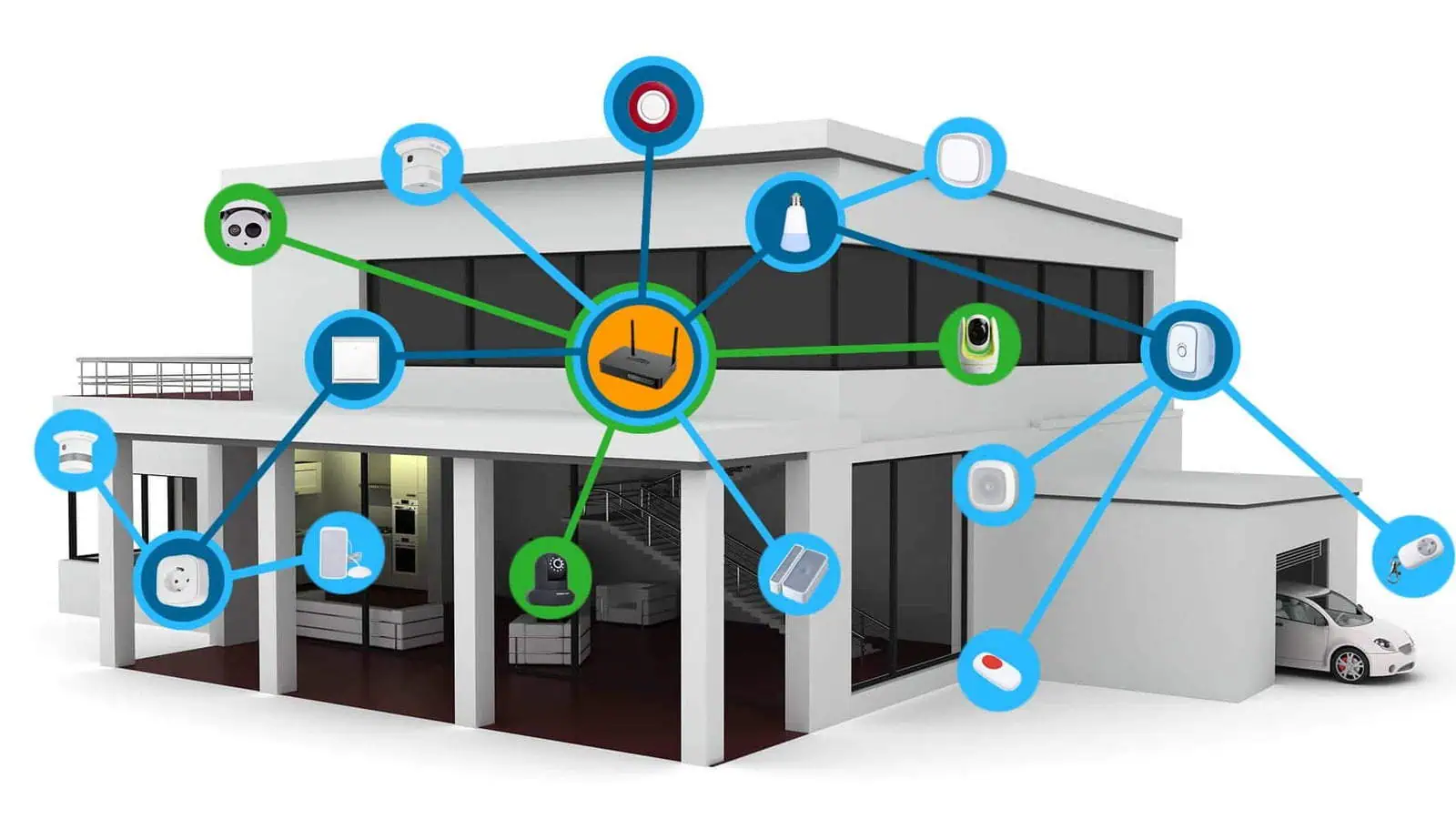
KNX systems excel in integration and operability, enabling seamless communication between different devices and systems in a building. KNX gateways act as bridges, facilitating connectivity between KNX and non-KNX devices or technologies. This flexibility allows users to incorporate a variety of smart devices such as security systems, audio-visual equipment and voice control systems into the KNX ecosystem. By integrating multiple systems through KNX, users can enjoy centralized control, automation and operability, simplifying the management of their smart home or building. Furthermore, the interoperability of KNX systems allows for future scalability and adaptability to evolving technologies.
Conclusion:
KNX systems have revolutionized the way we control and manage buildings. They offer a wide range of applications that increase comfort, convenience and energy efficiency. From lighting control and HVAC management to curtain and blind control, KNX systems enable intelligent automation and customization based on user preferences, occupancy and environmental factors. By integrating KNX devices, programming logical settings and obtaining KNX certification, professionals can ensure the smooth implementation and operation of KNX systems. As a worldwide standard for home and building control, KNX continues to shape the future of smart and sustainable living. It enables individuals and organizations to reduce energy consumption, increase user comfort and contribute to a greener future.
In the United Arab Emirates, KNX technology is making homes smarter. From lighting control to HVAC management, the applications of KNX are endless and respond to your unique needs.







 TR
TR  EN
EN  AR
AR